Dysport vs. Botox: What's the Difference?
Both smooth expression lines, but they differ in onset and spread. Here is how they compare in speed, longevity and who each suits best.
What to expect at your first visit, how much it hurts, and how to tell if Dysport is the right fit for you.
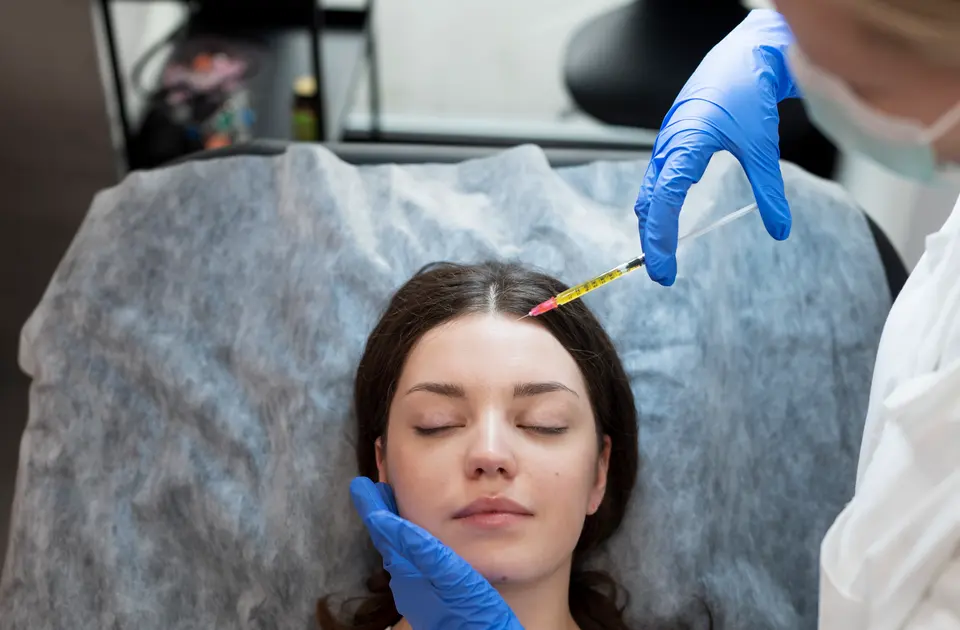
Yes, Dysport is a popular first choice for people who want softer frown lines, forehead lines or crow's feet without surgery or downtime. Treatment is quick, results look natural, and a good injector starts conservatively.
You do not need to commit to a big change. A first visit starts with a conversation, and nothing happens until you are comfortable with the plan.
Dysport works best on lines caused by repeated expressions, like frowning, squinting or raising your brows. It is often a good fit if you:
It is not right for everyone. Pregnancy, breastfeeding, active skin infections at the injection site, certain neuromuscular conditions and a cow's milk protein allergy are common reasons to wait or choose another option. Your consultation will confirm what is safe for you.
Most patients describe it as a quick pinch or small sting. The needles are very fine, the treatment is brief, and discomfort passes quickly. Mild redness or a small bump at an injection point can happen and usually settles soon after.
Most first-timers tell us the worry was bigger than the treatment itself.
Lines begin to soften in a few days, most patients see results between 3 and 7 days, and the full effect settles by about two weeks. Results typically last about 3 to 4 months.
It helps to arrive with a few questions ready. Good ones to start with:
Book a complimentary consultation, ask us anything, and decide at your own pace.
Keep reading
Both smooth expression lines, but they differ in onset and spread. Here is how they compare in speed, longevity and who each suits best.
A realistic look at how long Dysport lasts, what affects it and when to schedule your touch-up.